

PROTECTIVE CLOTHING OF TOMORROW: HOW YOUNG FASHION DESIGNERS ARE CREATING THE FUTURE
What will the protective clothing of the future look like? Fashion design students provided the answer to this question, which they developed together with Gore. The result? Revolutionary jackets with an integrated airbag, high-visibility suits for track workers with comprehensive protection and weatherproof jackets for sea rescuers with a built-in life jacket.
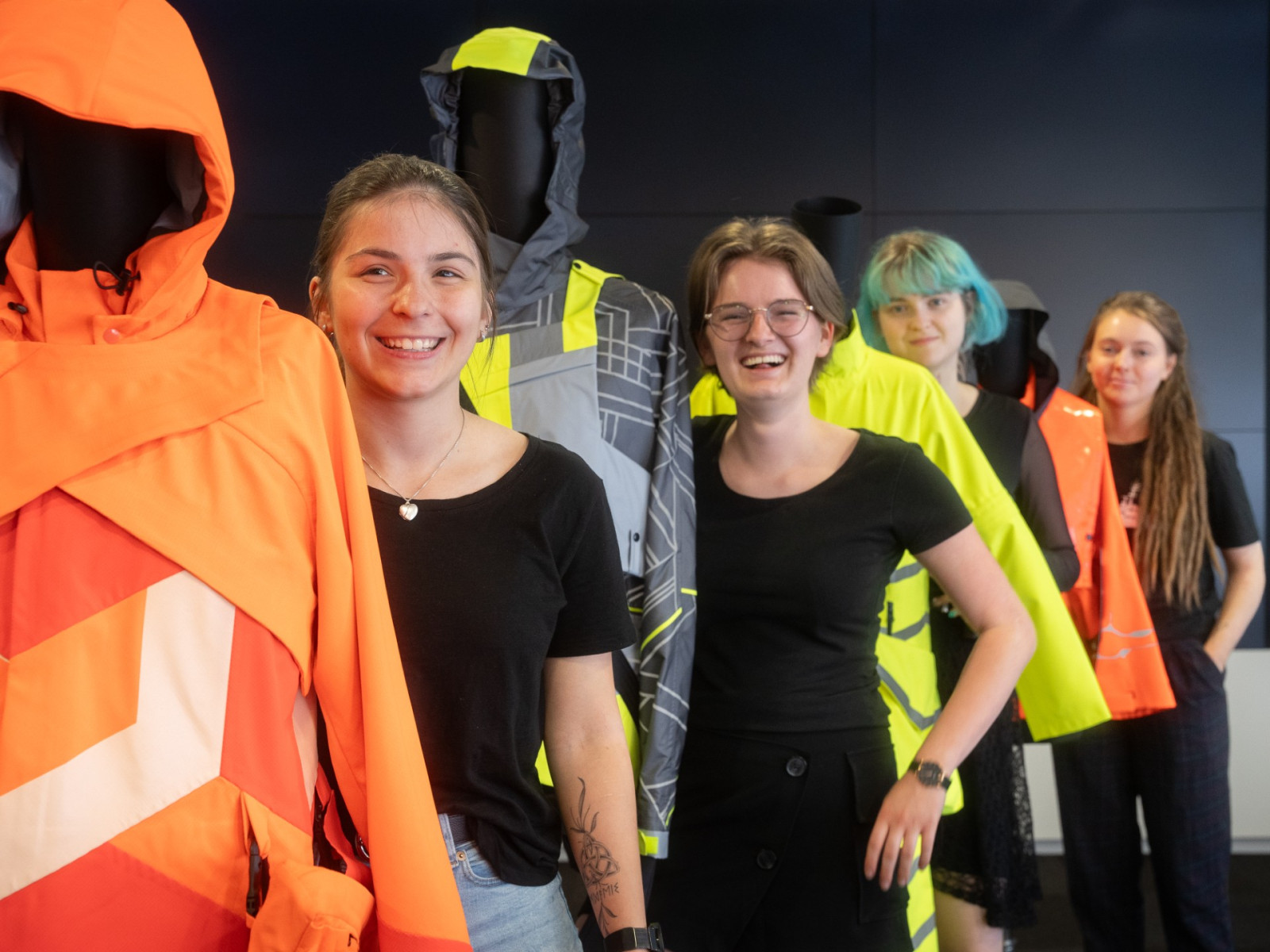
Visionary? Absolutely. Far removed from practice? Not at all.
The nine students from the West Saxon University of Applied Sciences Zwickau, Faculty of Applied Arts Schneeberg, developed and produced the innovative concepts themselves. There has been a successful collaboration between the university and Gore for more than two decades. The Putzbrunn-based company is widely known as a manufacturer of GORE-TEX materials. These materials can be found in a wide range of products such as jackets, pants, shoes and gloves - for both leisure and work.
"Our fabrics are known for their outstanding properties such as waterproofness and breathability. In addition, some materials offer protection against flames, pathogens or are characterized by special stretchability. I am impressed by how remarkably the designs bring these properties to bear," explains Susanne Wisbrun, clothing specialist at Gore.
The requirements in occupational safety are very specific. For example, a track worker needs flame-retardant material to protect him from the dangerous electric arcs that can be caused by high currents. A bicycle courier, on the other hand, needs optimum protection from wind and rain. GORE-TEX Professional Fabrics specializes in this type of protection.
But what about the market maturity of these visionary concepts? Some of the prototypes could find their way into series production if demand and technical requirements allow. "The collaboration with the students offers us new perspectives and fresh ideas that we can incorporate into future product developments with our customers," adds Wisbrun.
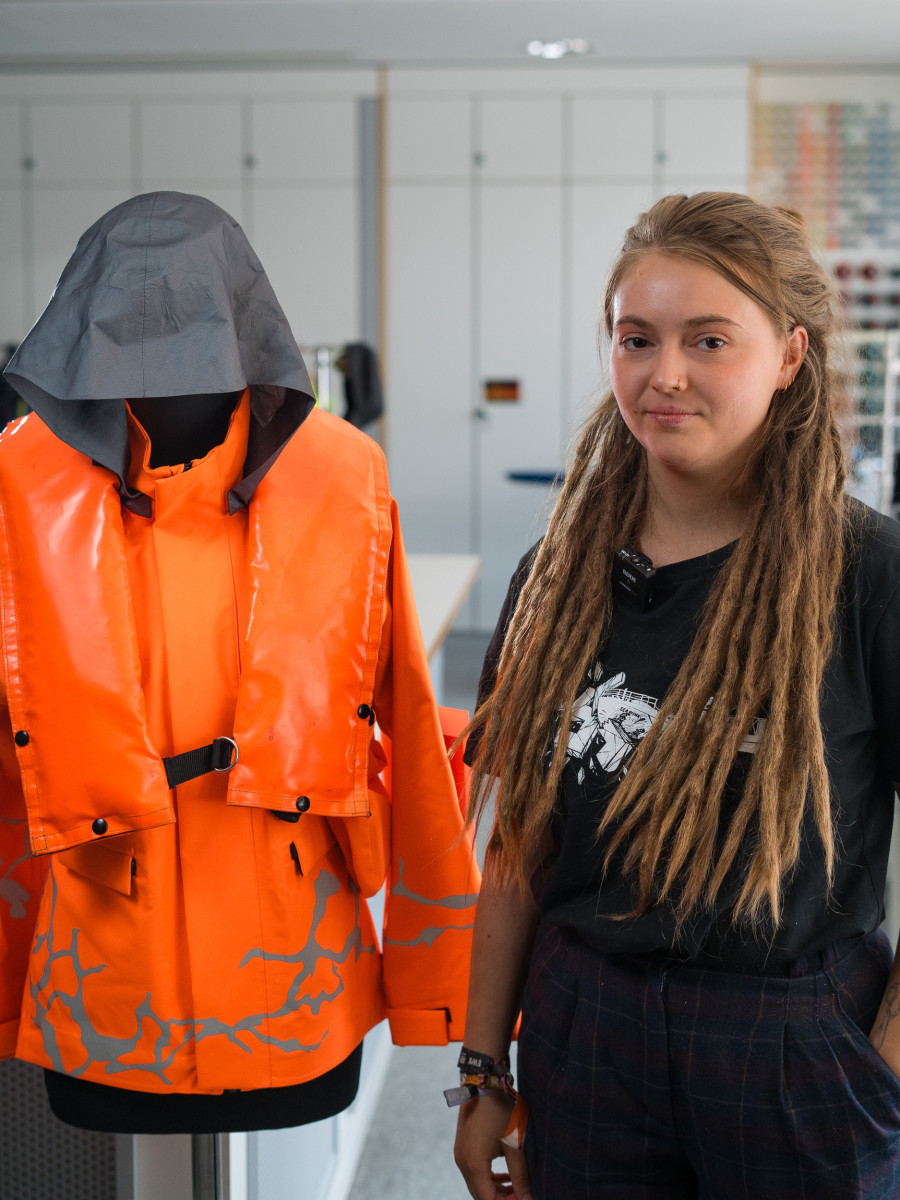
The HighVis jacket for electrical fitters in the railroad sector offers comprehensive protection against train collisions, high-voltage burns and injuries from falls from great heights. Self-luminous LEDs, flame-retardant materials and an integrated airbag are fully integrated. The inspiration and valuable feedback came from Alina Negwer's father, who works in this field himself.
The Oceanic Lifeline model, on the other hand, aims to raise awareness of sea rescue. The jacket combines an unusual design with practical safety at sea and has an integrated lifejacket. "Rescue missions at sea are more important than ever in times of boats carrying refugees. That's why my design is also a personal appeal to politicians to do more here," says creator Laura Stryczek.
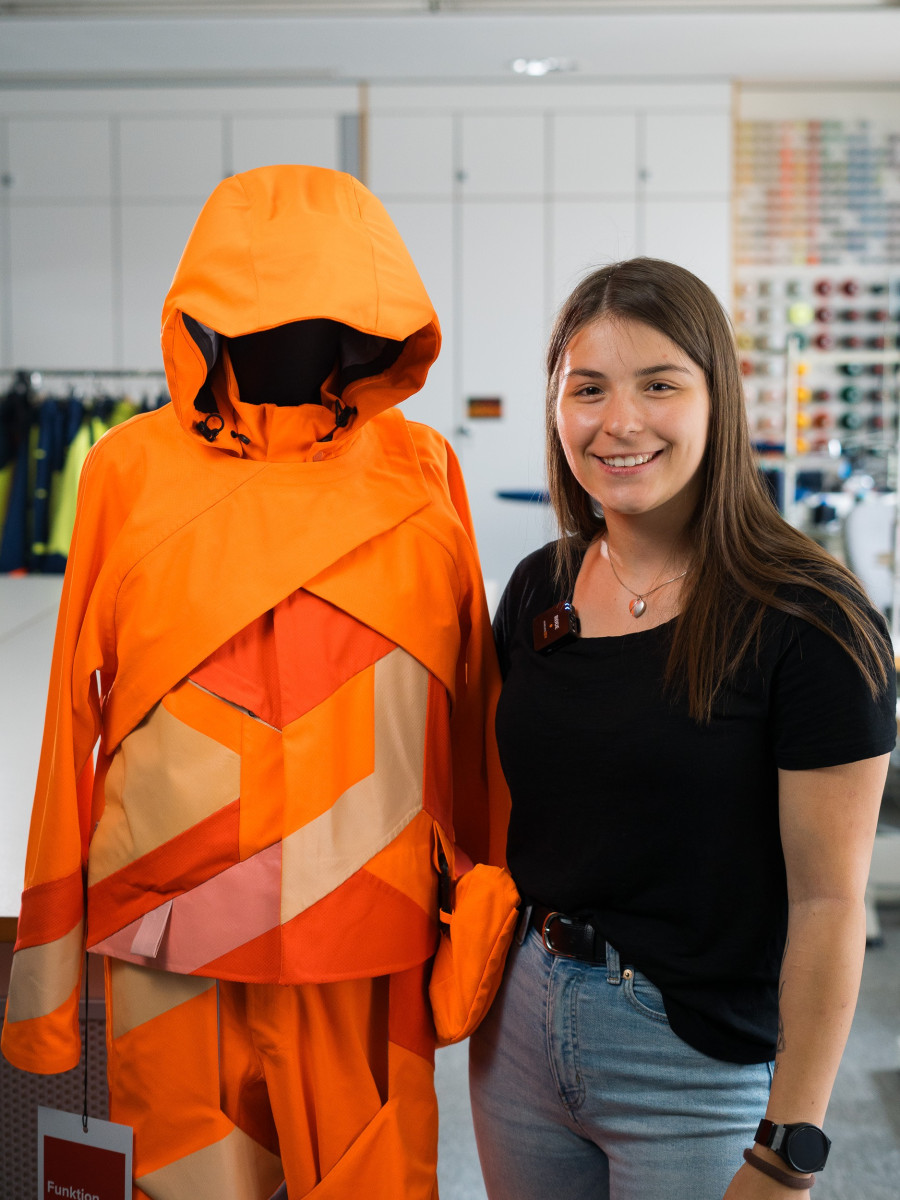
"The students learn to create the concepts themselves from the initial idea to the finished design and to present them to an audience - valuable experience for their future careers," explains Dorette Bárdos, the supervising professor.
Today in Schneeberg, tomorrow perhaps in Putzbrunn at Gore.
W. L. Gore & Associates is a global materials science company dedicated to improving industries and lives. Since 1958, Gore has been solving complex technical challenges in demanding environments - from outer space to the world's highest peaks to the inside of the human body. With approximately 13,000 employees and a strong, team-oriented culture, Gore generates annual sales of 4.8 billion US dollars. gore.com